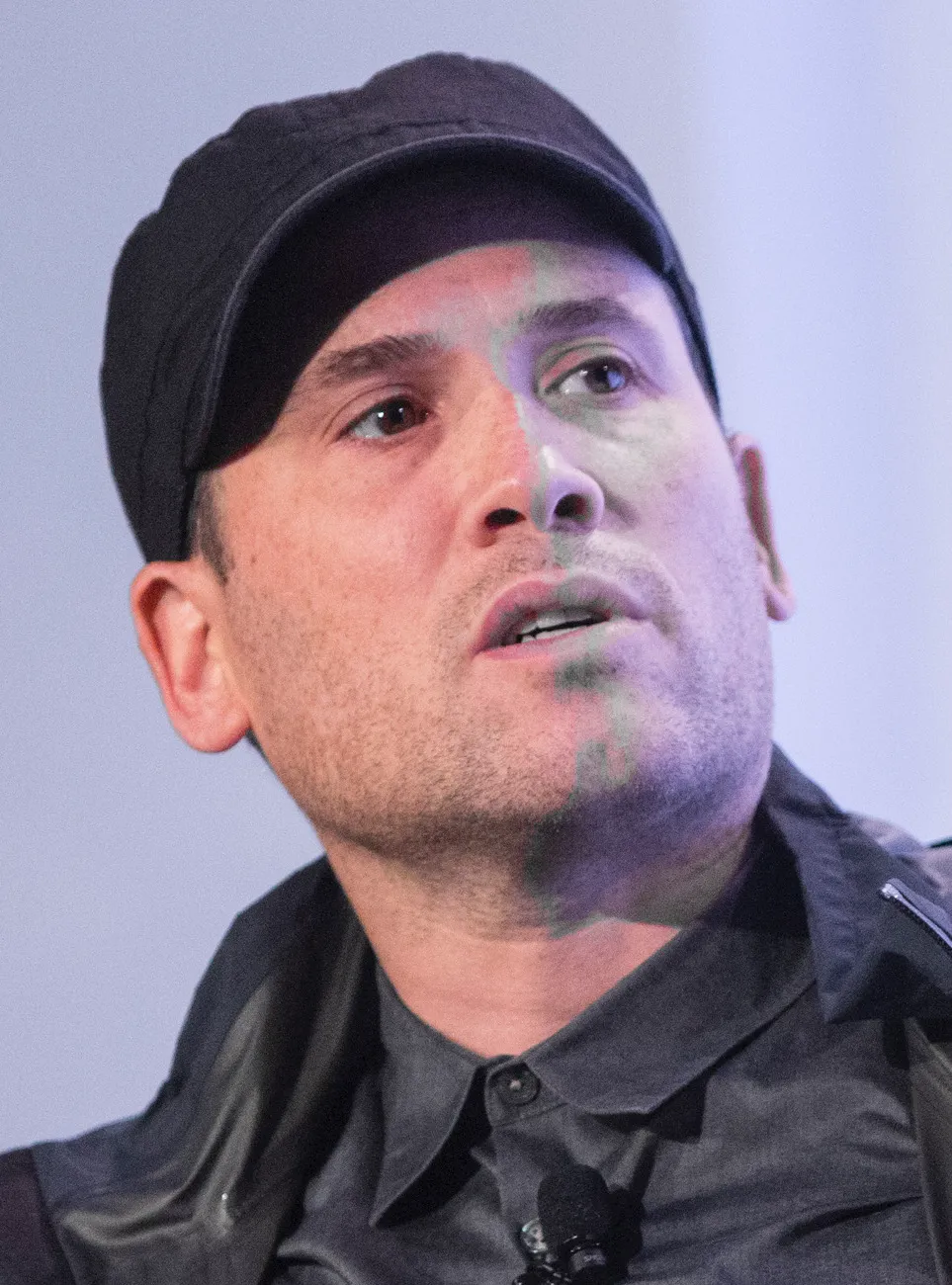
Photo: Qwertyfry38 / Wikimedia Commons, CC BY-SA 4.0
How Ramón Laguarta rose from PepsiCo's European ranks to run the company
Joining PepsiCo in 1996, he helped lead the $5.4bn Wimm-Bill-Dann deal, was named president in 2017 and became chief executive in October 2018.
Ramón Laguarta became chief executive of PepsiCo on 3 October 2018. He was the sixth person to hold that post, and the first Spanish head of a large American multinational. He became chairman of the company on 1 February 2019.
He built his career inside the business. He joined PepsiCo in January 1996 in its European operations and rose through regional and sector posts before taking the top job. The company's headquarters are in the hamlet of Purchase, in Harrison, New York. Its business covers the manufacture, distribution and marketing of food and beverages.
Education and early work
Laguarta was born in 1963. He studied at ESADE Business School in Barcelona, where he earned a bachelor's and a master's in business administration in 1985. In 1986 he completed a master's in international management at the Thunderbird School of Global Management. Before joining PepsiCo he worked for Chupa Chups, the Spanish candy company known for its lollipops. He also worked for SEAT.
Rising through PepsiCo's regional businesses
His first role at PepsiCo was in its European business. His posts included general manager of Greece Snacks, general manager of Iberia Snacks and Juices, commercial vice president of PepsiCo Europe and president of the PepsiCo Eastern Europe Region. The posts ranged from single markets and product lines to a wider part of the company's European business.
In 2010 he helped lead the acquisition of Wimm-Bill-Dann, a Russian dairy and juice company. The deal was valued at $5.4bn. It is the second-largest acquisition in PepsiCo's history, after the Quaker Oats purchase in 2001.
In 2014 he became chief executive of the company's Europe and Sub-Saharan Africa sector, known as ESSA. The sector covers Europe and Sub-Saharan Africa. Running a sector of many markets at different stages of development is a demanding brief for any leader.
The company he took over
PepsiCo took shape in 1965, when the Pepsi-Cola Company joined with Frito-Lay, Inc. Its flagship drink, Pepsi Cola, sits at the centre of a long rivalry with Coca-Cola, a contest often called the cola wars. PepsiCo itself does some of the bottling, and licensed bottlers do it in certain regions.
The Forbes Global 2000 list placed PepsiCo 82nd in 2023. The company's scale rests on a large number of brands. As of January 2021, 23 of its brands had annual sales above $1 billion.
Acquisitions that shaped the portfolio
Acquisitions have been central to the portfolio. PepsiCo bought Tropicana Products in 1998. The 2001 purchase of the Quaker Oats Company added Gatorade. Wimm-Bill-Dann followed in 2010, and in 2020 the company acquired Pioneer Foods for US$1.7 billion. Each deal widened the range of food and drink categories that PepsiCo sells.
In September 2017 Laguarta was named president of PepsiCo and moved to the United States. In that role he oversaw Global Category Groups, Global Operations, Corporate Strategy, and Public Policy and Government Affairs. On 6 August 2018 he was voted in as the next chief executive. The same day, Indra Nooyi announced her departure from the role. He took over on 3 October 2018.
- 1996
Joins PepsiCo in its European business
He starts in January 1996 as a first role in the company's European business, the year his time at Chupa Chups ends.
- 2010
Helps lead the Wimm-Bill-Dann acquisition
He helps lead the purchase of the Russian dairy and juice company in a deal valued at $5.4 billion.
- 2014
Becomes CEO of the ESSA sector
He takes charge of the Europe and Sub-Saharan Africa sector, known as ESSA.
- 2017
Named president of PepsiCo
He is named president in September and relocates to the United States, overseeing global categories, operations, strategy and public policy.
- 2018
Becomes chief executive
He is voted in as the next chief executive on 6 August and takes over on 3 October 2018.
- 2019
Becomes chairman
He becomes chairman of PepsiCo on 1 February 2019 and joins the board of directors that year.
- Value of the 2010 Wimm-Bill-Dann acquisition
- $5.4 billion
- Price of the 2020 Pioneer Foods acquisition
- $1.7 billion
- Brands with over $1 billion in annual sales, as of January 2021
- 23
- PepsiCo's place in the Forbes Global 2000 list, 2023
- 82
How he leads
The stated priorities attached to his leadership are to accelerate organic revenue growth and to become a stronger and better company. Organic growth is a measure readers should check against acquisitions. The other two priorities are to become a stronger company and a better company, which the company's stated goals list separately.
On climate, PepsiCo has set a target to cut absolute greenhouse gas emissions across its entire value chain by at least 20%, measured from a 2015 baseline. The baseline is roughly 30 to 35 million metric tons of greenhouse gases. Setting a baseline year and a percentage reduction gives a board a number it can track.
The packaging goal set for 2025 called for 100% of packaging to be recyclable, compostable or biodegradable, and for recycled plastic to make up 25% of the content of all plastic packaging. Those are dated, specific measures. Waste reduction has also been part of his agenda, and he led the acquisition of SodaStream.
Outside the company, Laguarta has served on PepsiCo's board of directors since 2019 and is a director of Visa Inc. Laguarta co-chairs the board of stewards of the World Economic Forum's Food Systems Initiative.
Lessons for leaders
- Build experience across regions and product lines before taking the top job. Laguarta moved from snacks and juices in Greece and Iberia to commercial leadership across Europe and then to a regional presidency.
- Treat a large acquisition as a test of integration capacity. He helped lead the 2010 Wimm-Bill-Dann purchase, and the leader who later runs the business should be able to explain how the combined company will work.
- Give the board and the organisation a short list of stated priorities that can be checked. Accelerating organic revenue growth is easier to manage when it sits beside a clear goal to become a stronger and better company.
- Set environmental targets against a named baseline year and a dated goal. PepsiCo's emissions target is measured from 2015, and its packaging goal was set for 2025.
- Move senior leaders across functions before the succession decision. The 2017 presidency covered operations, category groups, corporate strategy and public policy, which is a wide view of the business to hold before beco