Who Pays to Be Noticed
Self-publishing made it easy to put a book on sale. It did not make anyone read it. A guide to the trade that has grown up in between: publicists, paid reviews, award seals and sponsored segments, and what each can and cannot do for an author.
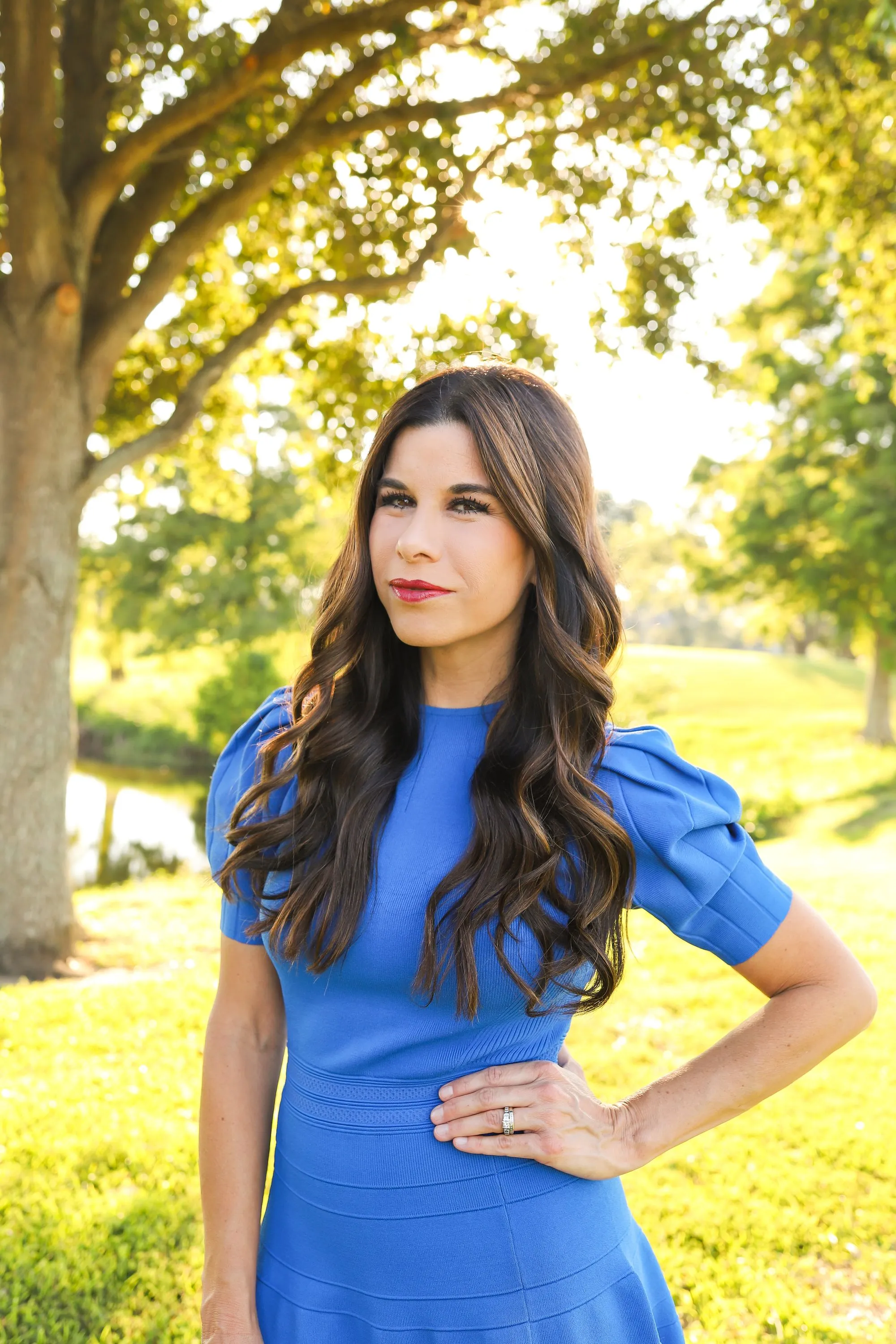
Scott Clause / USA TODAY Network (via alycatseries.com)
In 2025, by Bowker’s count, more than four million new books were assigned ISBNs in the United States: 3,529,980 of them self-published, up 38.7 per cent in a single year, and 642,242 from traditional publishers. In the same year, US outlets tracked by Circana BookScan sold 762.4 million print books, 0.3 per cent more than in 2024. The industry did not stop selling books. It started producing many more of them than readers were buying.
For a new author, that arithmetic changes what “publishing” means. Getting a book on sale is now a matter of hours. Getting it noticed is the real work, and a whole trade has grown up to help, or to charge for helping.
Three ways in
There are, broadly, three routes to market, and Alysson Foti Bourque, who has used two of them and now sells publicity to authors on all three, has described them more plainly than most trade guides. In a 2024 podcast interview she began with the obvious: “So there’s 3 different types of publishing.” Self-publishing, she said, is something “anyone can do”. In the middle is hybrid publishing, “where you have a publisher who does a great job, but you’re paying for the printing of those books”. In traditional publishing, the publisher pays the costs and, often, an advance.
The differences matter for marketing. A traditional publisher has a publicity department, sales representatives who pitch books to shops, and relationships with reviewers who will not consider self-published work. A hybrid publisher provides editing, design and distribution, for a fee, and usually some marketing. A self-published author has whatever they build or buy.
Bourque’s own series moved from the second category to the first. Her first four Alycat picture books were published, in her words, by a publisher where “you actually upfront the cost for printing”; Kirkus lists the third as published by Mascot Books in 2018. In December 2022 Pelican Publishing, an imprint of Arcadia, acquired the whole series. Her summary of the gap between the two is blunt: “everybody can publish a book on Amazon these days, but to actually get with a traditional publisher is super hard.”
What a publicist does
Book publicity is the work of getting a book discussed by someone other than its author: reviews, interviews, features, podcast appearances, bookshop events. Marketing usually means paid activity, such as advertising, promotions and newsletters. In practice independent firms sell both.
Expound Publicity, the firm Bourque co-founded in 2020 and now runs, sets out the menu in its 2026 capabilities deck in three tiers. “Build Credibility” covers press kits, review submissions and award entries. “Generate Exposure” runs from virtual book tours, in which a book appears on a sequence of blogs over several weeks, to podcast tours, library and bookstore outreach, influencer book boxes, a “Guaranteed News Segment” in a top-market television slot, “Bestseller Promotion”, and a Times Square billboard. “Sustain Momentum” offers event kits, audiobooks, plush toys, lesson plans and Amazon advertising.
The firm’s FAQ draws a clear line: it “guarantees strategic exposure as part of every campaign” and adds, “No PR firm should guarantee sales!” Exposure can be arranged; whether anyone buys the book cannot.
Timing matters. Firms such as Expound suggest starting publicity eight to sixteen weeks before launch, because many review outlets and media need lead time. And attention fades quickly. “Books generally have a shelf life of three to six months,” Bourque and her then co-founder Lori Orlinsky told the Mom’s Choice Awards in 2021. Their advice was to keep finding reasons for the book to be news, such as awareness months and seasonal gift guides.
The credibility market
The most consequential part of the trade is also the least visible to readers: the market in signals of quality.
Reviews come first. Trade journals such as Kirkus Reviews, Publishers Weekly and School Library Journal review books before publication, mostly for librarians and booksellers, and mostly from traditional publishers. For independent authors Kirkus runs Kirkus Indie, which charges from $399 for a picture-book review to $599 for an expanded one, and states that it does not guarantee a positive verdict. The resulting review appears on Kirkus’s website labelled with the programme’s name. It is a real assessment. It is also a paid one, and a reader who sees a single line quoted on a book jacket has no way to know.
Awards come next. There are dozens of programmes for independent books, many with entry fees; the NYC Big Book Award, for example, asks entrants to include proof of payment with their submission. Winners, finalists and “distinguished favourites” receive seals for their covers. Bourque and Orlinsky were frank in 2021 about the commercial point: “The world celebrates award-winning authors. Awards like the Mom’s Choice Award can solidify an author’s credibility, increase their visibility, and raise the value of a book.” Expound’s 2026 deck claims “a 100% success rate in helping our authors obtain designations as winners, finalists and nominees”, a figure that says as much about the structure of these programmes as about the books.
Then there are placements: a book in a celebrity gift bag, a segment on a lifestyle television show, a feature in an online magazine, a billboard. Some are earned; many are bought; few are labelled for the end reader. Bourque has spoken about the shift openly. One of the topics of a 2025 podcast episode she recorded was “The difference between earned and paid media—and why paid is now useful for authors”.
Reviews on retail sites are the most regulated part of the system. Amazon says its community guidelines have always prohibited compensation for reviews, and in 2016 it closed an exception that had allowed free or discounted products in exchange for a disclosed review. Advice that was common a few years ago, including incentives such as giveaway entries for posting a review, sits uneasily with those rules.
Who pays
The cost of all this falls largely on authors, and authors earn little. The Authors Guild’s most recent income survey found that the median income from books in 2022 was $2,000 for all respondents and $10,000 for those writing full time. The same survey found that white authors spent an average of $7,658 on marketing that year and Black authors $3,182. In a market where visibility is bought, unequal budgets produce unequal visibility.
Readers bear a different cost. The share of Americans reading for pleasure on an average day fell from 28 per cent in 2004 to 16 per cent in 2023, according to a study by University College London and the University of Florida. Fewer readers, facing more books, rely more on signals, and the signals are increasingly for sale.
What would help
None of this is a scandal. A paid review that is honestly written is still a review; an advertisement is still an advertisement. The problem is disclosure at the point where a reader decides. Publishers and publicists could label paid placements as clearly as magazines are required to label advertising. Award programmes could print on their seals whether entry was paid. Authors could ask any firm they hire which of its outcomes are earned and which are purchased, and get a straight answer.
The people inside the trade tend to describe their clients with sympathy. Bourque has said that what surprised her most about the authors she works with “is just how willing they are to be vulnerable and put themselves out there — often more than they realize.” That is a reason to sell them things that work, and to tell readers plainly how each signal was earned.
Sources
- Bowker via Publishers Weekly, 17 Mar 2026 (opens in a new tab)
- Circana BookScan via Publishers Weekly, 9 Jan 2026 (opens in a new tab)
- Empowering Entrepreneurs, published transcript, 19 Jun 2024 (opens in a new tab)
- Kirkus review, Alycat and the Friendship Friday (Mascot Books, 2018; Kirkus Indie) (opens in a new tab)
- PRWeb, Pelican acquisition, 12 Dec 2022 (opens in a new tab)
- Expound Publicity Info Deck 2026 (opens in a new tab)
- Expound Publicity FAQ (opens in a new tab)
- Mom’s Choice Awards interview, 25 Jan 2021 (opens in a new tab)
- Kirkus Indie (opens in a new tab)
- NYC Big Book Award (opens in a new tab)
- The Children’s Book Author Podcast, Ep 40, 5 Oct 2025 (opens in a new tab)
- Amazon, “Update on customer reviews” (2016) (opens in a new tab)
- Authors Guild, 2023 survey (opens in a new tab)
- UCL / University of Florida, Aug 2025 (opens in a new tab)
- Bold Journey, 6 Oct 2025 (opens in a new tab)