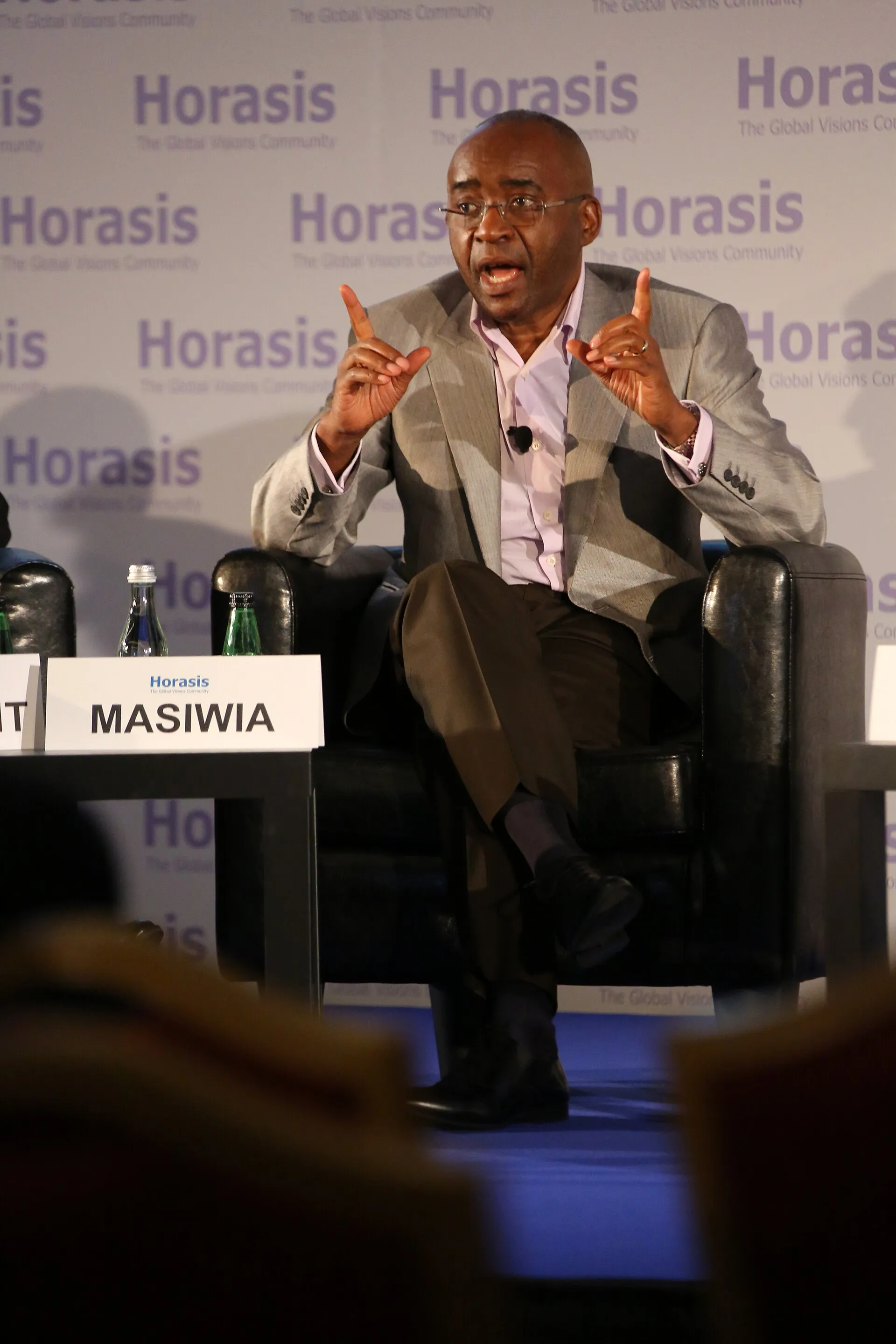
Photo: X|Media|Lab / Wikimedia Commons, CC BY 2.0
How Wang Xing built Meituan from group-buying into China's food delivery leader
After early ventures and the sale of a social network, he built a local-services platform headquartered in Beijing, with food delivery at its centre.
Wang Xing built Meituan from a group-buying site launched in 2010 into a local-services platform headquartered in Beijing. Food delivery, started in 2013, is now central to the company's revenue. The group also runs in-store services, hotel and travel bookings and instant retail.
In 2014 Meituan held a 60% share of China's deal-of-the-day group-buying market. In 2021, 5.27 million delivery drivers earned money on the platform, and more than one million were active each day. The founder had already launched and sold social networks before Meituan existed, which is one reason to look at his earlier ventures. Xiaonei, which he founded in 2005, was sold in 2006 to Oak Pacific Interactive.
The path to Meituan
He completed a bachelor's degree in electronic engineering in 2001. He then started a doctoral programme in computer engineering, based at the University of Delaware, and studied there from 2001 to 2004. He left without completing the doctorate, but he held a master's degree in computer engineering.
After Delaware he returned to China. His first startup was a Chinese take on Friendster. Other early ventures were Duoduoyou, a general-audience social network that did not take off, and Youzitu, which served Chinese students abroad and later ceased operation.
The turning point came in 2005, when he founded Xiaonei, a Facebook-style social network. In 2006 he sold it to Oak Pacific Interactive, because he could not fund more servers and bandwidth. The new owners later re-branded the site as Renren (人人网).
In 2007 he founded Fanfou, a Chinese microblogging service and one of the first of its kind in China. It later faced competition from Sina Weibo and Tencent Weibo.
What he built at Meituan
Wang Xing founded Meituan in 2010 as a Chinese group-buying site modelled on Groupon. The company started with $12 million of initial funding from Sequoia Capital. It traded as Meituan–Dianping until 30 September 2020, when it was renamed Meituan.
Growth came through the group-buying years and beyond. In May 2014 a $300 million Series C was led by General Atlantic, with two other investors. In 2015 users reached 200 million, and the company began expanding into second- and third-tier cities.
On 8 October 2015 Meituan merged with Dianping. The merged group includes Dazhong Dianping, the consumer-review brand. In January 2016 the company had raised more than $3.3 billion.
The business now covers several lines:
- Food delivery, started in 2013 and now central to revenue
- In-store services and consumer reviews, under the Dazhong Dianping brand
- Hotel and travel bookings
- Instant retail, including instashopping for small and medium businesses
- Keeta, the brand used outside mainland China
Food delivery runs on a logistics network that covers 2,800 counties and cities in China. The figure is given without a date. The network supports the company's on-demand services, which include food delivery.
Instashopping lets small and medium businesses digitise and sell through instant or next-day delivery. It is one of the ways the company brings local shops onto its platform.
In 2020 the company launched Meituan Select, offering next-day delivery in lower-tier markets through a bulk-buying model. By early 2021 it covered more than 20 provinces. In 2023 Meituan Grocery was upgraded to Xiaoxiang Supermarket (小象超市), an online supermarket.
Listing and funding
In September 2018 the company listed on the Hong Kong Stock Exchange at HK$69 per share, debuting as Meituan Dianping. The April 2021 raise totalled $9.98 billion: $3 billion came from convertible bonds and $7 billion from equity.
According to the Wikipedia account of the April 2021 financing, the funds were to be used to expand into groceries and to develop drone and autonomous delivery. Grocery is one of the company's lines: Meituan Grocery was upgraded to Xiaoxiang Supermarket in 2023.
Expansion beyond mainland China
In May 2023 Keeta launched in Hong Kong. It was the first service outside mainland China, and it began with a pilot in Mong Kok and Tai Kok Tsui. Keeta is the brand the group uses outside mainland China.
Patterns in the decisions
Read in order, the decisions share a pattern. Each early venture was followed by a new one, and the 2006 sale of Xiaonei ended a project that needed more money than its owner could raise. The 2010 model borrowed a format proven by Groupon and was rebuilt as a Chinese service.
A sensible test for any chief executive is to ask which of their own projects can still be funded at the scale they need. If the answer is no, the Xiaonei sale is one example of a founder selling a project that could no longer be funded at the required scale.
- 2005
Founds Xiaonei
He founded Xiaonei, a Facebook-style social network for Chinese users.
- 2006
Sells Xiaonei
He sold Xiaonei to Oak Pacific Interactive, which later re-branded it as Renren.
- 2007
Launches Fanfou
He founded Fanfou, a microblogging service that was one of China's first of its kind.
- 2010
Founds Meituan
He founded Meituan as a Chinese group-buying site based on Groupon.
- 2013
Starts food delivery
The company established its food delivery service, which is now central to its revenue.
- 2015
Merges with Dianping
On 8 October 2015 Meituan merged with Dianping, after reaching 200 million users that year.
- 2018
Lists in Hong Kong
The company listed on the Hong Kong Stock Exchange at HK$69 per share, debuting as Meituan Dianping.
- 2023
Launches Keeta in Hong Kong
Keeta launched in Hong Kong as the first service outside mainland China, starting in Mong Kok and Tai Kok Tsui.
Lessons for leaders
- (1) Keep a record of which ventures can still be funded at the scale they need. Wang Xing sold Xiaonei to Oak Pacific Interactive in 2006, when it could not fund more servers and bandwidth.
- (2) Start from a model that already works elsewhere, then adapt it to local conditions. Meituan began as a group-buying site based on Groupon and grew into a Chinese service.
- (3) Treat a secondary product as a possible core business. The food delivery service launched in 2013 is now central to the company's revenue.
- (4) Extend into lower-tier markets once the first cities are established. Meituan moved into second- and third-tier cities after reaching 200 million users in 2015.
- (5) State where new capital will go. The April 2021 funding was to be used to expand into groceries and to develop drone and autonomous delivery, according to the financing account on Wikipedia.