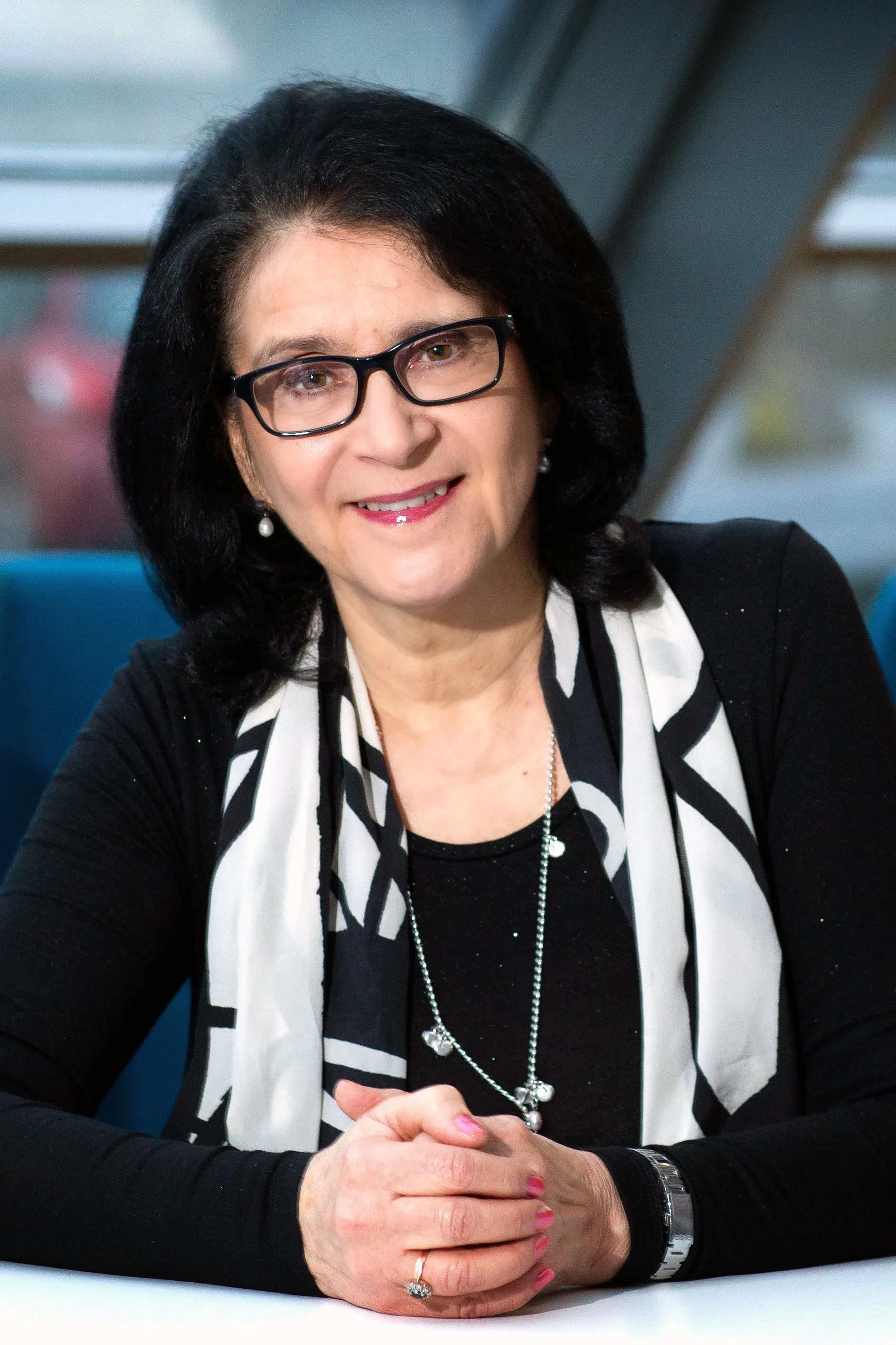
Linda Tammisto / University of Helsinki (via blogs.helsinki.fi)
In School, and Still Not Learning
The world has put most of its children in classrooms. The figures on what they learn there, and on who will teach them, tell a harder story.
273 million
That is the number of children and young people the United Nations counted as out of school in 2024. It is a large figure that hides a slow one: the out-of-school rate fell only from 17.4 per cent in 2015 to 16.8 per cent in 2024 (UN SDG Report, 2026).
The number is a model estimate.
59 to 47 per cent
Enrolment is not the same as learning. In the 57 countries with comparable data, the share of students reaching a minimum standard in reading fell from 59 per cent in 2012 to 47 per cent in 2022. In mathematics it fell from 41 to 36 per cent (UN SDG Report, 2026).
70 per cent
The World Bank calls it “learning poverty”: the share of ten-year-olds who cannot read and understand a simple text. In low- and middle-income countries it was 57 per cent before the pandemic. The Bank’s 2022 estimate, after the school closures, was 70 per cent, and 89 per cent in sub-Saharan Africa (World Bank, 2022). Like the out-of-school count, it is built partly on simulation, because many countries do not test children at that age.
44 million
Closing those gaps needs teachers. UNESCO estimates that the world needs 44 million more primary and secondary teachers by 2030, both to meet demand and to replace those who leave (UNESCO, 2024). Leaving is becoming more common: the annual attrition rate for primary teachers worldwide rose from 4.62 per cent in 2015 to more than 9 per cent in 2022 (UNESCO data, reported by Education Week, 2025). About one fifth of the world’s teachers do not meet their own countries’ minimum qualification standards; in sub-Saharan Africa the share is 30 to 40 per cent (UN SDG Report, 2026).
548 to 484
Even the best-known success story is under strain. Finnish 15-year-olds scored 548 in PISA mathematics in 2006. In 2022 they scored 484: still above the OECD average of 472, but 64 points lower. Reading fell 30 points from the previous round, and the gap between the most and least advantaged quarters of students widened by 16 points (University of Jyväskylä, 2023). Performance fell in nearly all OECD countries in 2022, but Finland’s mathematics decline runs back to 2006.
39.3 per cent
A new factor has arrived in classrooms faster than any curriculum. In 2025, 63.8 per cent of 16-to-24-year-olds in the European Union used generative AI tools, and 39.3 per cent used them for formal education. Across all adults aged 16 to 74 the figures were 32.7 and 9.4 per cent (Eurostat, 2026).
47.4 per cent
Education that does not lead to work has a price. In South Africa, where a Finnish-led project spent 2022 to 2025 connecting universities, vocational colleges and employers, the official unemployment rate was 33.6 per cent in the second quarter of 2026, and 47.4 per cent for people aged 15 to 34 (Statistics South Africa, via SAnews, 2026).
What the numbers do not say
None of these figures measures why. A child can be enrolled and still rarely attend; a test score can fall because the test changed, or because the cohort did. The researchers who work on these numbers, including this issue’s cover subject, Hannele Niemi, tend to look for causes in the joins of a system: between teacher training and classrooms, between schools and employers, between policy and the people asked to carry it out. Those are the places that the statistics leave out.
Sources
- UN, Sustainable Development Goals Report 2026, Goal 4: unstats.un.org/sdgs/report/2026/Goal-04 (opens in a new tab) - World Bank, press release, 23 June 2022: worldbank.org/en/news/press-release/2022/06/23/70-of-10… (opens in a new tab) - UNESCO, Global report on teachers (2024): digitallibrary.un.org/record/4039006 (opens in a new tab) ; Education Week, 3 Sept 2025: edweek.org/leadership/the-united-nations-says-teacher-s… (opens in a new tab) - University of Jyväskylä, PISA 2022 results for Finland, 5 Dec 2023: jyu.fi/en/news/pisa-2022-performance-fell-both-in-finla… (opens in a new tab) - Eurostat, 10 Feb 2026: ec.europa.eu/eurostat/web/products-eurostat-news/w/edn-… (opens in a new tab) - SAnews, 11 Aug 2026: sanews.gov.za/index.php/node/83500 (opens in a new tab)