Technology
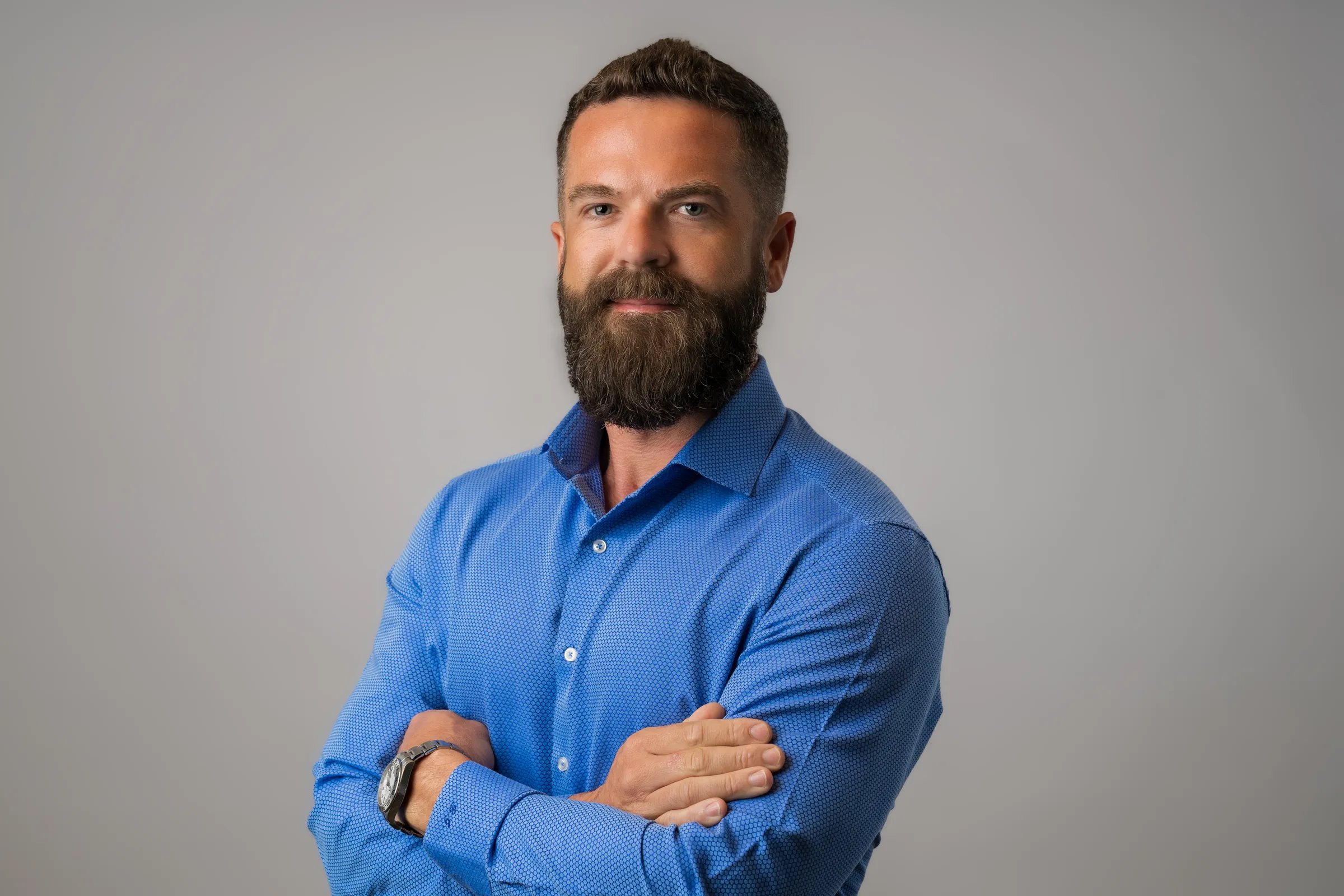
Brad Gintz, on the Record
Ten statements from his interviews, bylined articles and company announcements, 2024 to 2026. Compiled from published sources; this is not an interview.
TechnologyUnited States
Co-founder and Chief Executive Officer, EZ LYNK
“Not every shop can afford expensive proprietary tools. We brought big-league diagnostic power to the little guys so the best mechanic wins — not just the best funded.”
Technology
Ten statements from his interviews, bylined articles and company announcements, 2024 to 2026. Compiled from published sources; this is not an interview.
Technology
Owners and independent garages want the same access to a vehicle’s computer that dealers have. Regulators want the emissions software inside it left alone. In 2026 both arguments gained ground at once.
Technology
Older vehicles, costlier repairs, millions of connected fleets and half a million tampered pickups. The figures behind the fight over the diagnostic port, and where each one stops.
Technology
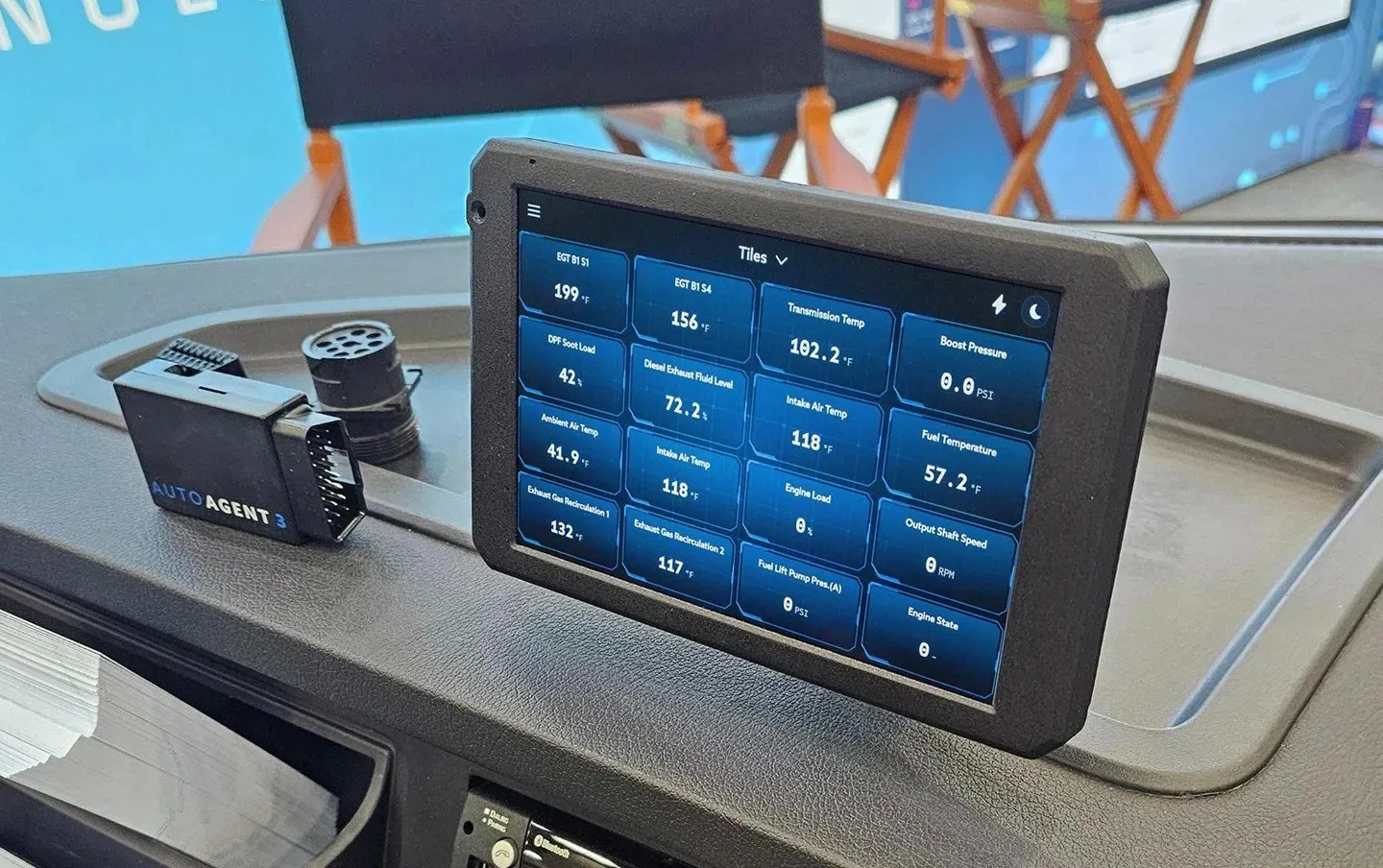
A fourth-generation Louisiana mechanic built a phone-linked key to the truck’s computer. For five years the United States argued in court that it was used to strip out emissions controls. The case is over. The question it asked is still open.